
The Growing Threat to Your Digital Privacy in 2025
It’s 2025, and your digital footprint is bigger than ever. From social media posts to smart home devices that track your daily activities, your online presence is constantly being recorded. But with this hyper-connectivity comes a critical issue: digital privacy. As technology advances, so do the ways in which your personal information can be exploited. Whether you’re aware of it or not, your data is being collected, analyzed, and used in ways that could potentially harm your personal, financial, and professional life.
In this article, we’ll take a deep dive into why digital privacy is more important than ever and how you can protect yourself in this rapidly evolving tech landscape. Let’s start by exploring the very nature of digital privacy today.
The State of Digital Privacy in 2025
We’ve come a long way since the early days of the internet. Today, it’s not just about browsing websites or sending emails, every device you use, from smartphones to smart fridges, is constantly gathering data. In fact, it’s estimated that the average person generates over 1.7 MB of data every second. This means by the time you’ve read the first few paragraphs of this article, your data has already been harvested and analyzed countless times.
But why does this matter? The short answer: because your personal information is a commodity. Companies, governments, and even cybercriminals use your data to make decisions about everything from targeted advertising to surveillance. And the more connected we become, the more data is generated and shared. In 2025, privacy is no longer just a luxury; it’s a necessity.
The Risks of Ignoring Digital Privacy
Many people still take their digital privacy for granted. After all, we all love the convenience of personalized ads, social media connections, and the ability to shop with a few clicks. But there are hidden risks lurking behind that convenience, and ignoring them can have serious consequences.
Take, for example, the growing threat of identity theft. According to a 2024 report, over 14 million people in the United States alone fell victim to identity theft last year. Hackers and scammers are becoming increasingly sophisticated, using personal data obtained through breaches or social media stalking to impersonate victims and access sensitive information, including bank accounts, credit cards, and medical records.
Then, there’s the matter of surveillance. In 2025, governments and corporations are using advanced AI technologies to monitor citizens’ behavior. While some argue that this is necessary for security, others view it as an infringement on their privacy rights. Imagine walking into a store and being automatically recognized by facial recognition software that links your identity to your purchase history. Or think about how your smartphone’s location tracking could reveal your movements, habits, and even your political beliefs.
Digital Privacy and the Future of Work
As remote work continues to rise, digital privacy becomes even more crucial for both employees and employers. In a world where more people are working from home or using personal devices to access work networks, the lines between personal and professional life are blurred. The risk of corporate espionage, data breaches, and even unintentional leaks has never been higher.
In 2025, a single data breach can lead to a massive financial loss and irreparable damage to a company’s reputation. But it’s not just businesses that have to worry. With remote working trends on the rise, individuals must also be cautious about their digital privacy. Your webcam or microphone could be used without your consent, or your emails and work chats could be accessed by hackers. Without proper security measures in place, your personal information could be at risk.
What You Can Do to Protect Your Digital Privacy
Now that we’ve explored the risks, let’s talk about what you can do to protect your digital privacy in 2025. Here are some practical steps you can take to safeguard your data:
- Use Strong, Unique Passwords: Passwords are your first line of defense against unauthorized access. Use a mix of upper and lower case letters, numbers, and symbols. Also, never use the same password across multiple sites.
- Enable Two-Factor Authentication (2FA): This extra layer of security ensures that even if someone has your password, they can’t access your accounts without a secondary code sent to your phone or email.
- Be Careful What You Share on Social Media: Posting personal details like your birthday, address, or travel plans can make you an easy target for hackers. Always be mindful of what you’re sharing online.
- Use Encryption: Encryption software can help protect sensitive information, whether you’re sending an email or storing files on your computer. Use encrypted messaging apps and always choose encrypted email services.
- Regularly Check Your Privacy Settings: Take the time to review and adjust the privacy settings on all your accounts. This includes social media, online banking, and even the apps on your phone.
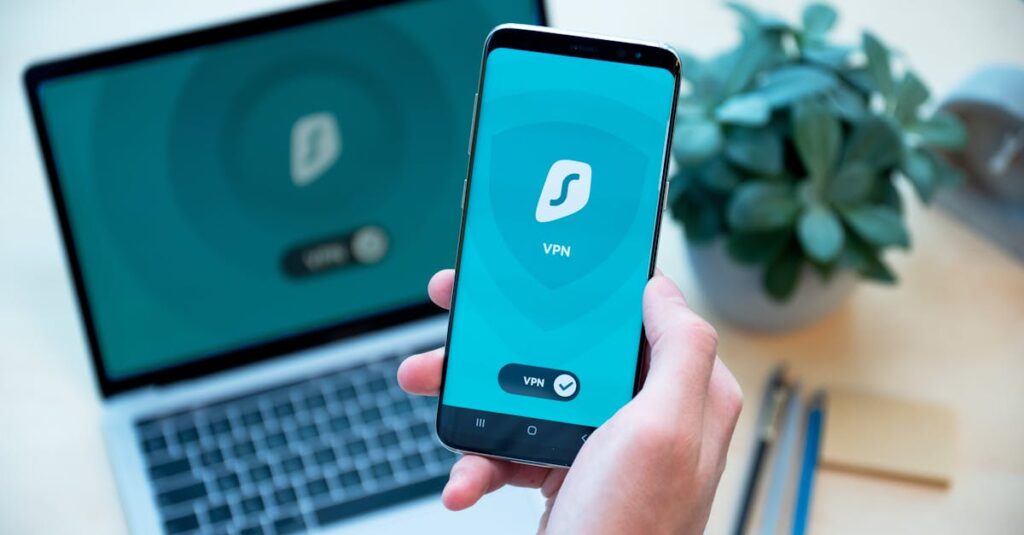
- Use a VPN: A Virtual Private Network (VPN) masks your IP address and encrypts your internet connection, making it harder for hackers or governments to track your online activities.
The Ethics of Digital Privacy
In addition to the practical steps you can take, it’s also worth considering the ethical implications of digital privacy in 2025. Companies and governments often argue that surveillance and data collection are necessary for security and innovation. But where do we draw the line between security and privacy?
Consider the use of AI-powered surveillance in public spaces. While some argue that this helps reduce crime or improve traffic flow, others see it as an invasion of privacy. Similarly, the constant tracking of your online activities to create personalized ads might feel convenient, but it also raises questions about consent and autonomy.
As consumers, we have the power to demand better privacy protections. In fact, privacy laws are evolving rapidly, with countries like the EU leading the way with strict data protection regulations such as the GDPR. But there’s still a long way to go before privacy is truly respected in the digital world. In the meantime, individuals must take responsibility for their own privacy and push for more transparency and accountability from the companies that collect their data.
Conclusion: The Future of Digital Privacy
As we move further into 2025, the importance of digital privacy cannot be overstated. With more of our lives being lived online, it’s essential that we take control of our data before it’s too late. Whether it’s protecting your financial information, your personal identity, or even your private conversations, digital privacy is something that should be treated with the utmost seriousness.
By taking proactive steps, using strong passwords, enabling two-factor authentication, being mindful of what we share online, we can better protect ourselves from the ever-growing digital risks. But we must also continue to advocate for better policies and regulations to ensure that privacy is respected at the societal level. The future of our digital lives depends on it.