
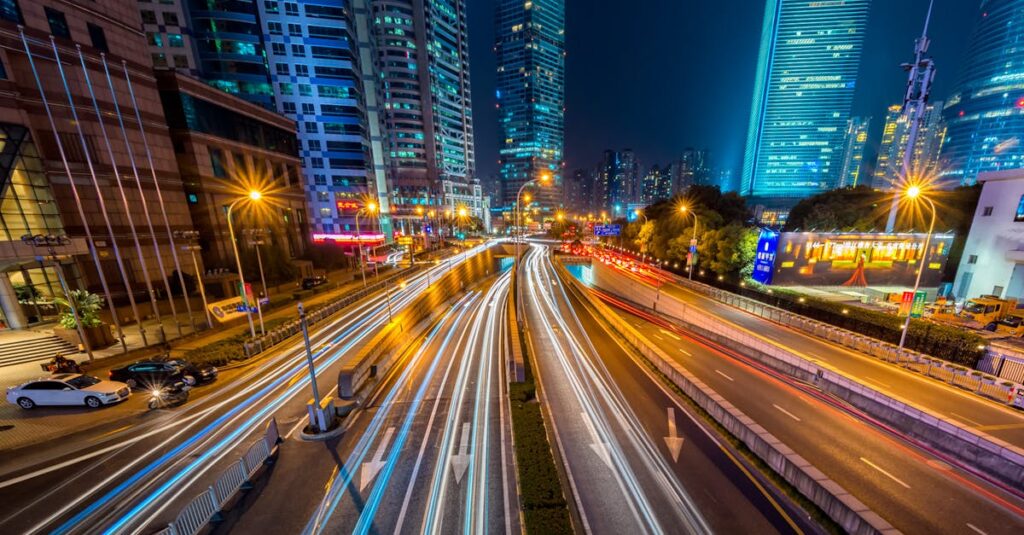
The Future of Smart Cities: How Technology is Making Them Possible
Imagine a city where traffic flows smoothly, the streets are safe, energy is used efficiently, and services like healthcare, education, and public transportation are all seamlessly integrated through technology. Sounds like something out of a sci-fi movie, right? Well, it’s becoming more of a reality each day. Welcome to the future of smart cities.
As technology advances at an astonishing pace, the concept of ‘smart cities’ is no longer just a buzzword. It’s becoming a tangible solution to some of the most pressing issues cities face today, from pollution and overcrowding to inefficient public services. So, how exactly is technology making smart cities possible? Let’s take a closer look.
What Are Smart Cities?
First, let’s break down the term ‘smart city.’ At its core, a smart city uses digital technology to enhance performance and well-being, reduce costs, and resource consumption, and engage more effectively with its citizens. Think of it as a city that’s got a brain, one that constantly learns and adapts to meet the needs of its people. From streetlights that adjust based on traffic patterns to waste management systems that optimize collection routes, smart cities are designed to make urban living more efficient, sustainable, and user-friendly.
1. Intelligent Transportation: A Game Changer
If you’ve ever been stuck in traffic, you know the frustration of sitting in a car, burning fuel, and losing precious time. But what if the city could manage traffic better? In smart cities, this is happening through real-time data analytics and Internet of Things (IoT) technology.
In cities like Singapore, traffic lights are synchronized based on the flow of traffic. Using sensors and data, the lights adjust in real-time to prevent congestion, allowing cars to move more freely. And it doesn’t stop there. Self-driving cars, electric buses, and even flying taxis are part of the future urban transportation landscape. These innovations are set to drastically reduce traffic jams, lower carbon emissions, and make commuting faster and more sustainable.
2. Sustainable Infrastructure and Energy Efficiency
With rising concerns about climate change and resource depletion, cities around the world are focusing on sustainability. Smart cities are leveraging technology to create greener, more energy-efficient urban environments.
Take smart grids, for example. These advanced energy systems can monitor and manage the distribution of electricity across a city. They can detect outages, predict energy demands, and even optimize the use of renewable energy sources like solar or wind power. This means cities can reduce waste, lower energy costs, and lessen their environmental impact.
Additionally, smart buildings equipped with sensors can adjust lighting, heating, and cooling systems based on occupancy, weather conditions, and time of day. This not only cuts down on energy use but also improves comfort for residents and businesses alike.
3. Data-Driven Public Services
One of the most exciting aspects of smart cities is their ability to use data to improve public services. From healthcare to education, technology is making these services more accessible and effective for citizens.
In Barcelona, for instance, the city’s public health department uses real-time data to monitor air quality, temperature, and other environmental factors that affect public health. By analyzing this data, they can issue warnings about pollution levels, helping residents take precautions when necessary.
Smart cities also utilize digital platforms to improve government transparency and citizen engagement. Citizens can report issues like potholes, broken streetlights, or traffic accidents via apps, which automatically notify the relevant authorities. This makes the city more responsive and helps address problems quickly. In fact, some cities even involve citizens in decision-making processes, using technology to gather feedback on everything from park designs to local policies.
4. The Role of Artificial Intelligence (AI) in Smart Cities
Artificial intelligence (AI) is a key player in the development of smart cities. From traffic management to public safety, AI helps cities operate more efficiently by processing vast amounts of data and making real-time decisions.
For example, AI-powered surveillance cameras can monitor public spaces and identify potential threats, such as abandoned packages or suspicious activity, alerting authorities before a situation escalates. In terms of public transport, AI algorithms optimize bus routes, schedules, and the deployment of autonomous vehicles, ensuring they are used efficiently and on time.
As AI continues to evolve, it will likely become even more integrated into the daily operations of smart cities, making them safer, more efficient, and responsive to the needs of their citizens.
5. The Challenges Ahead
While the promise of smart cities is incredibly exciting, there are still challenges to overcome. Privacy concerns, cybersecurity risks, and the need for significant investment in infrastructure are all obstacles that need to be addressed. With so much data being collected, ensuring that it is used responsibly and protected from cyber threats is crucial.
Additionally, cities will need to ensure that the benefits of smart city technology are accessible to all citizens, not just those who are tech-savvy or well-off. Digital inequality could deepen the divide between different social groups, so inclusivity must be a top priority.
Conclusion: A Glimpse into Tomorrow
As technology continues to advance, the idea of smart cities is shifting from futuristic concept to real-world reality. From improving transportation and sustainability to enhancing public services and personal safety, smart cities are on the verge of transforming urban living in ways we never thought possible.
Of course, there are still hurdles to overcome, privacy, equity, and security concerns are real challenges, but the potential benefits are too significant to ignore. In the next decade, we can expect to see even more innovations that will make our cities smarter, greener, and more livable. The future is closer than we think, and the question isn’t whether smart cities will become a reality, but how quickly we can make them happen.
Takeaway:
Smart cities are reshaping urban life by leveraging technology to solve age-old problems. While there are still challenges to address, one thing is clear: the future of cities is smart, and it’s happening now.