
Introduction
Imagine a world where traffic jams are a thing of the past, air pollution is reduced to a minimum, and the hum of engines has been replaced by the smooth whir of electric motors. Sound too good to be true? It’s not. The rise of electric vehicles (EVs) is changing the way we think about transportation, and the future is quickly becoming electrified. But what exactly does the future hold for EVs? And how will they shape the way we travel, work, and live?
In this article, we’ll take a look at where electric vehicles are headed, why they’re so important, and how they could change the world as we know it.
The Growing Popularity of Electric Vehicles
Once a niche market, electric vehicles have become the talk of the town. Just a decade ago, the thought of driving a fully electric car was almost laughable. But fast forward to today, and the situation has changed drastically. Major automakers are shifting their focus to EVs, with companies like Tesla, Rivian, and Lucid Motors leading the charge. In fact, a growing number of countries are committing to banning gasoline-powered vehicles in favor of cleaner, greener alternatives. EVs are no longer just an option; they’re becoming the norm.
Why the sudden shift? Well, the environmental benefits are hard to ignore. With global warming and air pollution becoming more pressing concerns, electric vehicles are seen as a solution to both problems. Without an internal combustion engine, EVs don’t emit harmful pollutants like carbon dioxide, nitrogen oxides, and particulate matter. This could lead to cleaner air in cities, reduced greenhouse gas emissions, and a step toward more sustainable transportation.
The Role of Battery Technology
One of the most exciting developments in the EV world is the rapid advancement of battery technology. Batteries are the heart and soul of any electric vehicle, and recent breakthroughs are making EVs more affordable and practical for everyday use. In the past, battery life and charging times were the biggest hurdles for electric vehicles, but that’s changing fast.
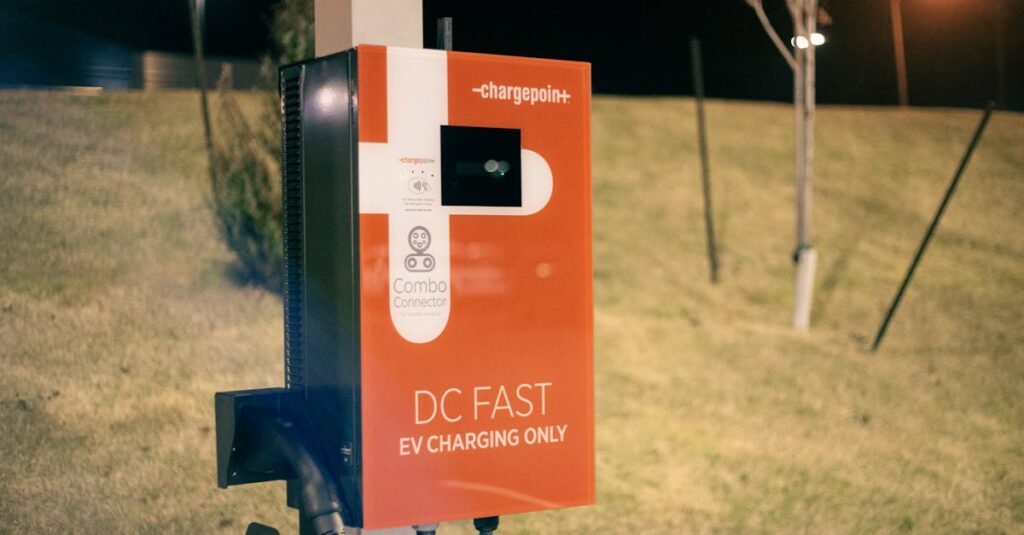
For example, Tesla’s innovations with its long-range battery packs have made it possible for drivers to go over 300 miles on a single charge, something that was unimaginable just a few years ago. And the time it takes to recharge an EV is decreasing as well, with ultra-fast charging stations popping up all around the world. This means that range anxiety, the fear of running out of battery before reaching a charging station, is becoming less of an issue.
Solid-State Batteries: The Game Changer?
There’s also a lot of buzz around solid-state batteries, which could completely revolutionize electric vehicles. Unlike traditional lithium-ion batteries, solid-state batteries use a solid electrolyte instead of a liquid one, offering greater energy density and faster charging times. If these batteries can be scaled up for production, they could make electric vehicles lighter, cheaper, and capable of going even further on a single charge.
The Challenges Ahead
While the future of electric vehicles looks bright, there are still some hurdles to overcome. For one, the infrastructure for charging stations needs to catch up with the growing demand. In many places, finding a public charging station is still a challenge, especially in rural areas. Until EV charging becomes as ubiquitous as gas stations, EV adoption may be slower than expected.
There’s also the issue of raw materials required for battery production. Lithium, cobalt, and nickel are essential to making batteries, and there’s a growing concern about how to meet the demand for these materials in a sustainable and ethical way. Mining these materials can be harmful to the environment, and human rights violations in some regions raise ethical questions about the sourcing of materials.
And let’s not forget about the cost. While prices are dropping, electric vehicles are still generally more expensive than their gasoline counterparts, especially when it comes to premium models like Teslas. The upfront cost of buying an EV can be a dealbreaker for many potential buyers, even if the long-term savings on fuel and maintenance are substantial.
Government Incentives and Policy Changes
Despite these challenges, governments around the world are offering incentives to encourage the adoption of electric vehicles. Tax rebates, grants, and other financial incentives are making EVs more accessible to a broader range of consumers. In some countries, EV owners can benefit from free parking, reduced toll fees, or access to special lanes during peak traffic times.
Some governments are even planning to phase out gasoline-powered vehicles entirely in the next few decades. The European Union, for example, has proposed a ban on all new internal combustion engine (ICE) cars by 2035. This ambitious plan reflects the increasing urgency to combat climate change and reduce dependency on fossil fuels.
The Future of EVs: What Can We Expect?
The future of transportation is undoubtedly electric, but what does that mean for the everyday driver? Here are a few things we can expect:
- More Variety: As electric vehicle technology becomes more mainstream, we’ll see a wider variety of EVs available. From affordable city cars to high-performance sports cars, there will be something for every type of driver.
- Self-Driving EVs: Electric vehicles are often at the forefront of autonomous driving technology. In the coming years, we could see fully self-driving EVs that don’t require human intervention, changing the way we think about commuting and car ownership.
- Smarter Roads: Expect to see smarter infrastructure that interacts with electric vehicles. Charging stations could be embedded in roads, allowing EVs to recharge while driving. And traffic systems might become more efficient, using real-time data from connected vehicles to optimize routes and reduce congestion.
- Sharing Economy: With more EVs on the road, car-sharing and ride-hailing services could become more popular. Instead of owning a car, people might choose to rely on shared EVs for their transportation needs, reducing the number of vehicles on the road.
Conclusion: A Cleaner, Smarter, and More Sustainable Future
The future of transportation is electric, and it’s coming faster than most people realize. While there are still challenges to overcome, the benefits of electric vehicles are clear. They offer cleaner air, less noise, and a more sustainable future for generations to come. As technology continues to improve and governments push for cleaner transportation options, it’s likely that electric vehicles will become the default choice for the majority of drivers.
As you watch the rise of EVs, consider this: The next time you drive, it might not be to a gas station but to a sleek, modern charging station where your car powers up in minutes. Who knows? The future of transportation might just be in your driveway.