
The Future of Work: How Technology Is Redefining Jobs
When you think of a traditional job, what comes to mind? A 9-to-5 office routine, a desk cluttered with papers, and maybe the sound of a coffee machine in the background? Well, that picture is changing, fast. Technology is reshaping the workplace in ways that were unimaginable just a decade ago. In fact, the way we work, the roles we hold, and the tools we use are all being redefined. So, what does this new era of work look like, and how can we prepare for it?
The Rise of Automation: Will Robots Take Our Jobs?
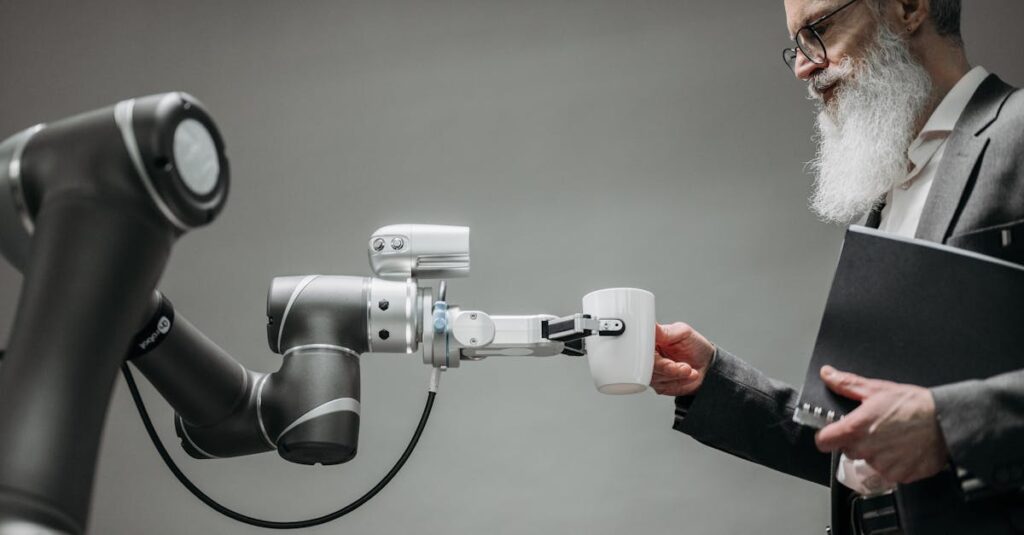
One of the most common concerns when we talk about technology and jobs is automation. Will robots take over everything? Will humans be replaced by machines? The answer isn’t as straightforward as a simple yes or no. Automation is definitely transforming the workforce, but it’s not about robots replacing people, it’s more about humans and machines working together in ways that improve productivity, efficiency, and even job satisfaction.
Take, for instance, the world of manufacturing. Robots have been helping assemble products for years, but that doesn’t mean factory workers are obsolete. Instead, jobs are evolving. Workers are now required to supervise, maintain, and fine-tune automated systems rather than perform repetitive tasks. This shift has led to a need for new skills, especially in tech, engineering, and data analysis. In fact, many experts believe the future of work will center on collaborative automation, where humans and AI work side by side.
In other industries, like retail or customer service, automation is also making its mark. Automated chatbots can answer customer queries 24/7, but there’s still a need for human employees to handle more complex issues. In this case, technology doesn’t eliminate jobs; it simply changes the nature of the job.
The Gig Economy: Flexibility and Opportunity
Another big shift we’re seeing is the rise of the gig economy. Thanks to platforms like Uber, Upwork, and Airbnb, more people are working as freelancers or part-time contractors rather than full-time employees. This shift has been accelerated by technology, making it easier than ever to find short-term work opportunities that fit your schedule.
One major advantage of the gig economy is the flexibility it offers. Workers can take on multiple gigs, work from home, or choose hours that suit their lifestyle. This flexibility can be a game-changer for people with caregiving responsibilities or those who simply prefer to work on their own terms. But, there’s a downside. Gig workers don’t always have the same benefits as traditional employees, no health insurance, no paid time off, no retirement plans. This creates a challenge for policymakers and companies alike as they figure out how to provide gig workers with the support they need while maintaining the flexibility they value.
The gig economy isn’t just for delivery drivers or tech freelancers, either. In fact, an increasing number of workers in fields like healthcare, education, and even legal services are exploring gig opportunities. For instance, telemedicine platforms have allowed healthcare professionals to offer virtual consultations, while online tutoring services let educators work with students from anywhere in the world.
The Role of Artificial Intelligence: New Skills for a New Era
Artificial intelligence (AI) is another game-changer in the workforce. AI has already made its way into almost every industry, from self-driving cars to personalized shopping recommendations. But as AI becomes more sophisticated, it’s also beginning to take over more complex tasks.
For example, AI algorithms can now analyze medical data to assist doctors in diagnosing conditions faster and more accurately. In finance, AI tools can predict market trends and make investment decisions. But here’s the thing: as AI handles more of the routine or data-heavy work, there’s a growing need for people to step in where machines fall short, tasks like creativity, strategic thinking, and human empathy.
That means the future of work will rely heavily on soft skills, skills like communication, problem-solving, and emotional intelligence. These are qualities that AI can’t replicate, at least not in the near future. So, while technical skills are essential, it’s becoming clear that the most valuable employees will be those who can combine tech-savvy with strong interpersonal skills.
Remote Work: A Permanent Change?
If there’s one thing the pandemic has taught us, it’s that remote work is more than just a temporary trend. Many businesses that initially resisted the idea of remote work had no choice but to embrace it during the COVID-19 lockdowns. And once employees experienced the benefits, less time commuting, more control over their schedules, there was no turning back.
For many companies, remote work isn’t just about offering employees flexibility. It’s about tapping into a global talent pool. With the right technology, companies can hire workers from anywhere, allowing them to find the best talent without being limited by geographical location. In fact, a recent survey showed that over 30% of workers are now considering a permanent switch to remote or hybrid work models. As a result, businesses will need to invest in technology that supports remote teams, like collaboration tools and cloud-based software, to ensure smooth communication and productivity.
Preparing for the Future: Adaptability is Key
So, with all these changes happening, how can workers stay ahead of the curve? The key to success in this new era is adaptability. The jobs of the future will look different from what we know today, and the skills required will change rapidly as well.
- Upskilling: Constant learning is a must. Whether it’s mastering new software, learning coding languages, or improving your communication skills, upskilling will help you remain relevant in the workforce.
- Embrace Technology: The more comfortable you are with technology, the better prepared you’ll be. Don’t just wait for the AI revolution to happen, be a part of it. Learn how AI, automation, and other tech tools can help make your job easier and more efficient.
- Foster Creativity: Jobs that require creativity, problem-solving, and human interaction will continue to thrive. So, don’t be afraid to think outside the box and focus on skills that machines can’t replicate.
Conclusion: The Future of Work Is Exciting, But It’s Up to Us
The future of work is still unfolding, and there’s no doubt that technology will continue to redefine jobs. However, the true impact of these changes will depend on how we adapt. Whether it’s automation, AI, remote work, or the gig economy, technology is reshaping the way we work in ways that are both exciting and challenging. The jobs of the future may look different, but they’ll still be about people, people who can harness the power of technology to work smarter, not harder.
So, are you ready for the future of work? It might not be what you expected, but it could be more rewarding and fulfilling than you ever imagined. The key is staying adaptable, learning new skills, and embracing the opportunities technology brings. After all, the future is now, let’s work together to shape it.