
The Role of Augmented Reality in Enhancing Brand Loyalty
Imagine walking down the street, and suddenly your phone screen lights up with a 3D version of your favorite store’s newest product. You can rotate it, try it on virtually, and even get a personalized discount if you make the purchase right then and there. Sounds like the future, right? Well, that future is here today thanks to Augmented Reality (AR). This immersive technology is not just about flashy gimmicks anymore; it’s transforming how brands interact with consumers and, more importantly, how they build long-lasting relationships. Let’s explore how AR is playing a pivotal role in enhancing brand loyalty.
What is Augmented Reality (AR) and Why Does it Matter for Brands?
To put it simply, AR overlays digital content onto the physical world in real-time. Think Snapchat filters, or more sophisticated applications where you can virtually place a piece of furniture in your living room before buying it. Unlike Virtual Reality (VR), which isolates you from the real world, AR enhances it. For businesses, AR represents a bridge between the digital and physical realms, offering new ways to engage customers in meaningful, personal ways.
1. AR as a Tool for Personalized Customer Experiences
Personalization is the name of the game in the modern marketing world. Customers no longer want to feel like just another number in a database. They want experiences that speak to their unique needs and preferences. AR allows brands to provide exactly that. Whether it’s through virtual try-ons, personalized product recommendations, or location-based offers, AR makes it possible to create tailored experiences that feel truly individual.
Take Nike, for example. Their Nike Fit app uses AR to scan a customer’s feet and recommend the perfect shoe size based on their unique foot shape. Instead of just showing you a shoe, the app helps you find the one that fits you best. This level of personalization boosts trust and satisfaction, both of which are key factors in building brand loyalty.
2. AR Builds Emotional Connections with Brands
Humans are emotional creatures, and emotions play a significant role in consumer decisions. A product that resonates emotionally with a customer is far more likely to be remembered, and repurchased. With AR, brands can create experiences that evoke emotions, leading to deeper connections.
Take IKEA’s IKEA Place app, for instance. It allows customers to place true-to-scale 3D models of furniture in their homes using just their phone. Beyond the practical benefit of helping customers visualize how the furniture fits in their space, the app taps into something deeper: the joy of imagining a new home aesthetic, and the excitement of curating a space that truly feels like their own.
This emotional connection, however subtle, is one of the key ingredients in building loyalty. When customers feel emotionally invested in a brand, they’re far more likely to return for repeat purchases or recommend the brand to others.
3. Gamification and AR: Turning Shopping Into a Fun Experience
Another compelling way AR enhances brand loyalty is by incorporating elements of gamification. Gamification, the process of adding game-like features to non-game experiences, has been shown to increase engagement and enjoyment, and AR offers the perfect platform for it.
Consider how Sephora, the beauty retailer, leverages AR in their Sephora Virtual Artist app. Users can try on makeup virtually, mix and match different looks, and even share their creations with friends. But beyond the try-on feature, the app offers gamified challenges and rewards, such as unlocking new looks or earning points for sharing product reviews. This turns a simple beauty shopping experience into a fun, interactive game that keeps customers coming back.
By blending AR and gamification, brands can create an experience that’s more than just transactional. It’s engaging, rewarding, and most importantly, memorable. And when customers have fun with your brand, they’re far more likely to develop long-term loyalty.
4. Increasing Convenience and Reducing Purchase Friction
We’ve all been there: standing in a store aisle, unsure whether a product is the right choice. Maybe you’ve heard of the product before, but you’re not quite sure if it fits your needs or preferences. It’s moments like these where AR can shine, reducing purchase friction and increasing the likelihood of a sale.
For example, many car manufacturers now offer AR features that let potential buyers virtually “test drive” a car through an app. This allows consumers to explore different car models in 3D, learn about their features, and visualize how they would look in their own driveway, without even stepping foot in a dealership.
By making the purchasing process easier and more intuitive, AR can reduce hesitation and increase conversion rates, which in turn can strengthen brand loyalty. After all, when customers find it easier to buy from you, they’re more likely to return when they need something else.
5. AR as a Community-Building Tool
Building a loyal customer base isn’t just about offering great products and services. It’s also about creating a community where customers feel like they belong. AR can be a powerful tool in fostering that sense of community.
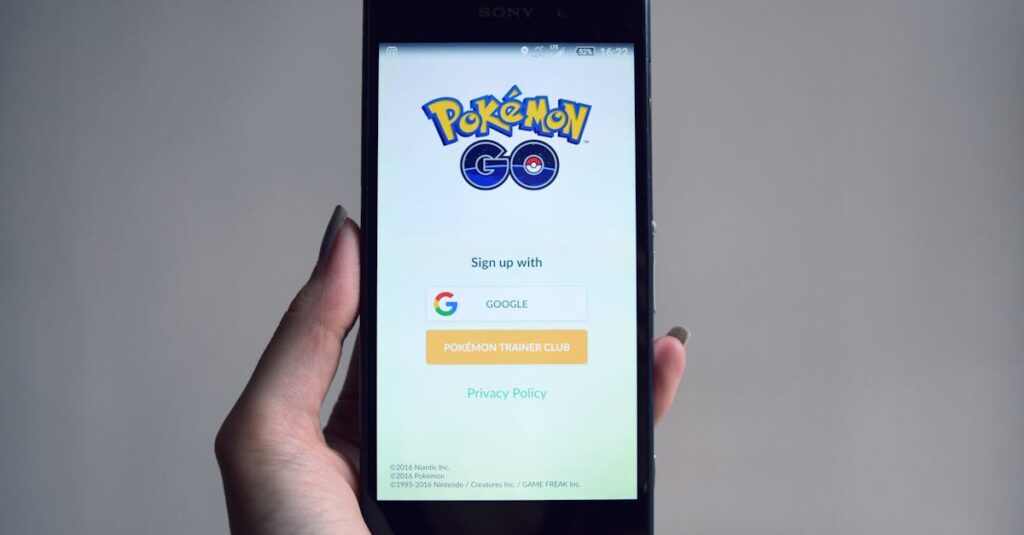
A great example of this is Pokemon GO, the wildly popular AR-based mobile game. While it may seem like just a game, it created a global community of players who bonded over their shared experiences of hunting virtual creatures in the real world. The game’s AR element allowed users to explore their neighborhoods in new ways, creating a sense of connection to both the game and the broader player community.
In a brand context, companies can use AR to create experiences that bring customers together. Whether through AR-powered events, social media filters, or community-building activities, AR has the potential to foster deeper connections and create a sense of belonging among customers, something that will keep them loyal for the long haul.
Conclusion: AR is the Key to the Future of Brand Loyalty
It’s clear that augmented reality is more than just a trendy buzzword, it’s a game-changer for brands looking to enhance customer loyalty. By offering personalized experiences, building emotional connections, making shopping more enjoyable, and creating communities, AR provides brands with the tools they need to turn casual customers into loyal advocates.
So, the next time you open an app that lets you try on virtual clothes, or see a 3D model of a product in your living room, remember that AR is working behind the scenes to not just enhance your experience but to build long-lasting loyalty. The future of brand loyalty is immersive, interactive, and, thanks to augmented reality, it’s just getting started.